California's 2027 Gas Water Heater Ban: What Alameda County Homeowners Need To Know
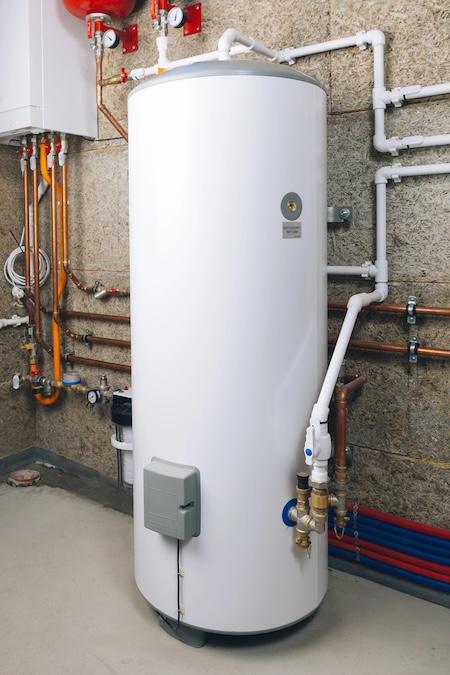
Beginning in January 2027, homeowners throughout Alameda County may see significant changes when it's time to replace a residential gas water heater. While many people refer to these upcoming regulations as a "gas water heater ban," the changes are specifically aimed at the sale and installation of new gas water heaters after the rule takes effect. If your current water heater is working properly, you generally will not be required to remove or replace it simply because of the new regulations.
At Big Brothers Plumbing Inc., we've received questions from homeowners, landlords, and property managers who want to understand what these changes actually mean. With so much conflicting information circulating online, it's easy to become confused about what's changing, who will be affected, and what options may be available when the time comes to replace an aging water heater.
This guide explains the upcoming 2027 requirements in straightforward terms so you can make informed decisions about your home's plumbing system without unnecessary stress.
What Is The California Gas Water Heater Ban?
The upcoming changes are part of new air quality regulations affecting Bay Area counties, including Alameda County. The goal is to reduce emissions from residential buildings by encouraging cleaner, more energy-efficient water heating systems for future installations.
Although many homeowners simply call it a "gas water heater ban," the regulations focus on new water heater installations and replacements after the effective date. Existing gas water heaters that are already installed in homes are generally allowed to remain in service as long as they continue operating safely.
For homeowners, the biggest impact will come when an older gas water heater eventually reaches the end of its useful life and needs to be replaced.
Why Are People Hearing Different Information?
One reason this topic has created so much confusion is that there are multiple discussions taking place regarding gas-powered appliances throughout California.
The regulations affecting Alameda County come from the Bay Area Air Quality Management District (BAAQMD), while separate statewide discussions have also taken place regarding future appliance standards. News reports often combine these topics together, making it difficult for homeowners to understand which rules actually apply to their community.
For homeowners in Alameda County, the important date to be aware of is the expected implementation of the Bay Area regulations beginning in 2027.
Do I Need To Replace My Existing Gas Water Heater?
No.
If your current gas water heater is operating safely and reliably, there is generally no requirement to remove it simply because these regulations are taking effect. Existing equipment can typically continue operating until it naturally reaches the end of its service life.
This is one of the biggest misconceptions surrounding the upcoming changes. Many homeowners believe they will have to replace a perfectly good water heater before January 2027. In reality, the regulations primarily affect future replacement installations, not existing equipment already serving your home.
That means if your current water heater still provides dependable hot water, there is usually no reason to panic.
Who Will Be Affected?
The upcoming regulations may affect nearly every type of residential property owner throughout Alameda County, including:
- Single-family homeowners
- Townhome owners
- Condominium owners
- Duplex owners
- Apartment building owners
- Multifamily property owners
- Landlords and property management companies
Whether you own one home or manage dozens of rental units, understanding these changes now can make future planning much easier.
What Happens If My Water Heater Fails After January 2027?
This is where the new regulations become most important.
If your existing gas water heater stops working after the new rules take effect, the replacement options available may be different than they are today. Depending on the regulations in place at that time, homeowners may need to install equipment that meets the new emissions requirements rather than replacing the failed unit with another standard gas water heater.
Every home is different, and replacement recommendations may depend on factors such as available electrical capacity, installation space, plumbing layout, and local code requirements.
Rather than waiting until you suddenly lose hot water, many homeowners choose to learn about their future replacement options ahead of time so they are prepared if an emergency occurs.
Should I Replace My Water Heater Before 2027?
Not necessarily.
Replacing a water heater that is still operating properly simply because new regulations are approaching is not always the best financial decision. Many water heaters continue providing dependable service for well over a decade when properly maintained.
However, if your water heater is already reaching the end of its expected lifespan, planning ahead can provide more flexibility than waiting for an unexpected failure.
Rather than making a rushed decision after waking up to a leaking tank or having no hot water, you can discuss replacement options, understand potential costs, and decide what solution works best for your household.
Signs Your Water Heater May Be Nearing Replacement
If your current water heater is getting older, watch for warning signs that it may be approaching the end of its useful life:
- Rust-colored hot water
- Water leaking around the base of the tank
- Popping, banging, or rumbling sounds during operation
- Reduced hot water capacity
- Long recovery times
- Visible corrosion around fittings or the tank itself
- Frequent repairs
- A unit that is approximately 10 to 15 years old or older
Even if your water heater still works, having it professionally inspected can provide a better understanding of its remaining lifespan and help you begin planning before an emergency occurs.
Why Are Heat Pump Water Heaters Receiving So Much Attention?
As the industry continues moving toward lower-emission technologies, many homeowners are hearing more about heat pump water heaters.
Unlike traditional gas water heaters that burn natural gas to heat water, heat pump water heaters transfer heat from the surrounding air into the storage tank. This process can be much more energy efficient than conventional electric resistance water heaters and has become one of the primary replacement options discussed for future installations.
While heat pump water heaters are an excellent solution for many homes, they are not identical to traditional gas systems. Installation requirements, available space, ventilation, electrical capacity, and household hot water usage should all be evaluated before selecting a replacement.
Working with a licensed plumbing professional helps determine which type of water heater is most appropriate for your home's specific needs.
Will My Home Need Electrical Upgrades?
One question many homeowners ask is whether switching to a newer water heating system will require electrical upgrades. The answer depends entirely on your home's existing electrical service and the type of replacement water heater being installed.
Some homes are already well-equipped for newer electric water heating technologies, while others may benefit from additional electrical work before installation. Factors such as panel capacity, available circuits, installation location, and the age of your home's electrical system can all influence the project.
Rather than assuming expensive upgrades will be necessary, it's best to have your home's plumbing and electrical systems evaluated before making any decisions. Every property is different, and many homeowners are surprised to learn their installation is more straightforward than expected.
Are Rebates Or Incentives Available?
Various utility companies, local organizations, and government programs have offered rebates and financial incentives for qualifying high-efficiency water heater installations over the years. These programs are designed to encourage homeowners to adopt energy-efficient equipment while helping offset a portion of the installation cost.
Because available rebates and eligibility requirements change periodically, homeowners should verify what programs are available when they are ready to replace their water heater. A knowledgeable plumbing contractor can often help identify current incentives that may apply to your project.
If you're planning to replace an aging water heater, asking about available rebates before scheduling your installation may help reduce your overall investment.
Planning Ahead Can Save Time And Stress
Water heaters have a habit of failing at the worst possible time. Many homeowners first discover a problem after waking up to a leaking tank, finding water in the garage, or realizing there's suddenly no hot water available for the family.
Understanding the upcoming regulations before your water heater reaches the end of its life gives you time to compare options, ask questions, and make informed decisions without the pressure of an emergency.
Planning ahead also allows homeowners to budget for future replacement costs instead of facing an unexpected expense with little warning.
What About Rental Properties And Apartment Buildings?
Owners of duplexes, apartment complexes, condominiums, and other multifamily properties should also begin thinking about long-term replacement planning.
If several units contain older gas water heaters installed around the same time, multiple replacements could become necessary over the next several years. Developing a proactive replacement strategy may help property owners budget more effectively while minimizing disruptions for tenants.
Routine inspections can also identify aging equipment before an unexpected failure leaves residents without reliable hot water.
Should Homeowners Be Concerned?
While these upcoming changes represent an adjustment for many homeowners, there is no reason to panic.
If your current gas water heater is working properly, you can typically continue using it. The most important step is simply understanding how the regulations may affect future replacement decisions so you are not caught off guard when your existing unit eventually reaches the end of its lifespan.
Staying informed today allows you to prepare for tomorrow instead of making rushed decisions during a plumbing emergency.
How Big Brothers Plumbing Inc. Can Help
The regulations surrounding residential water heaters continue to evolve, and many homeowners simply want honest answers from a trusted local plumber.
At Big Brothers Plumbing Inc., we stay informed about current plumbing requirements and industry changes so we can help homeowners throughout Alameda County understand their available options. Whether your water heater is still operating normally or you're beginning to think about future replacement planning, our experienced team can inspect your existing equipment, answer your questions, and recommend solutions that fit your home's needs.
We believe every homeowner deserves straightforward information without unnecessary pressure. Our goal is to help you make confident decisions based on the condition of your plumbing system, your budget, and your long-term plans.
Questions About The 2027 Gas Water Heater Changes?
If you're unsure how the upcoming California gas water heater changes may affect your home or rental property, the team at Big Brothers Plumbing Inc. is here to help.
Whether you're wondering how much life your current water heater has left, considering a replacement before it fails, or simply want to understand your future options, we're happy to answer your questions.
Call 510-269-0299 today to schedule an inspection or speak with one of our plumbing professionals.
Frequently Asked Questions
No. Existing gas water heaters that are operating safely generally do not need to be removed simply because the new regulations take effect. The rules primarily affect future replacement installations.
The regulations may affect homeowners, landlords, property managers, and owners of multifamily residential properties throughout Alameda County when replacing a residential gas water heater after the rules take effect.
In many cases, yes. If your current water heater can be repaired safely and economically, repairs may still be an option. A professional inspection can help determine whether repairing or replacing the unit makes the most sense.
Not necessarily. If your water heater is operating reliably, replacing it early may not be needed. However, if it is already nearing the end of its expected lifespan, planning ahead can provide more replacement options and help avoid an emergency situation.
A heat pump water heater uses heat from the surrounding air to warm water rather than burning natural gas. These systems are highly energy efficient and are expected to become an increasingly common replacement option for many homeowners.
We can inspect your existing water heater, explain how the upcoming regulations may affect your property, discuss replacement options, and help you plan for future water heater needs with honest, professional recommendations.

24/7 Emergency Plumbing Services In The Alameda Area Call Your Local Plumber Today!